
When Engines Pause, Shopfronts Speak

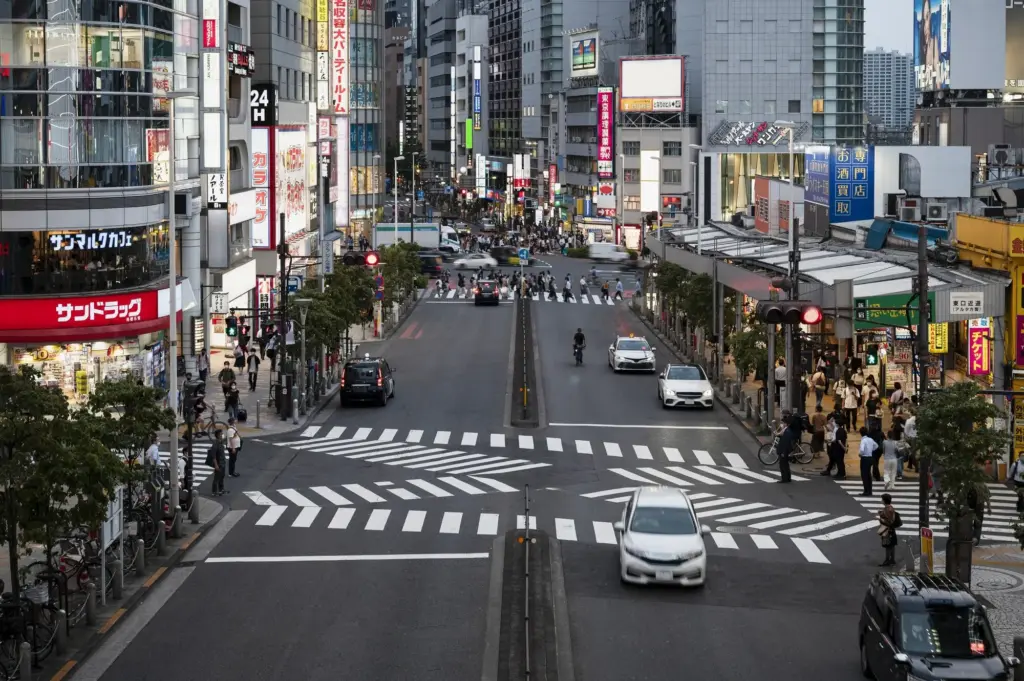
Footfall, Dwell Time, and the Shape of Spend
Stories from British Streets Reimagined

Walthamstow’s Al Fresco Lesson
Bristol’s Parklets and Buskers
York, Bath, and the Heritage Balancing Act
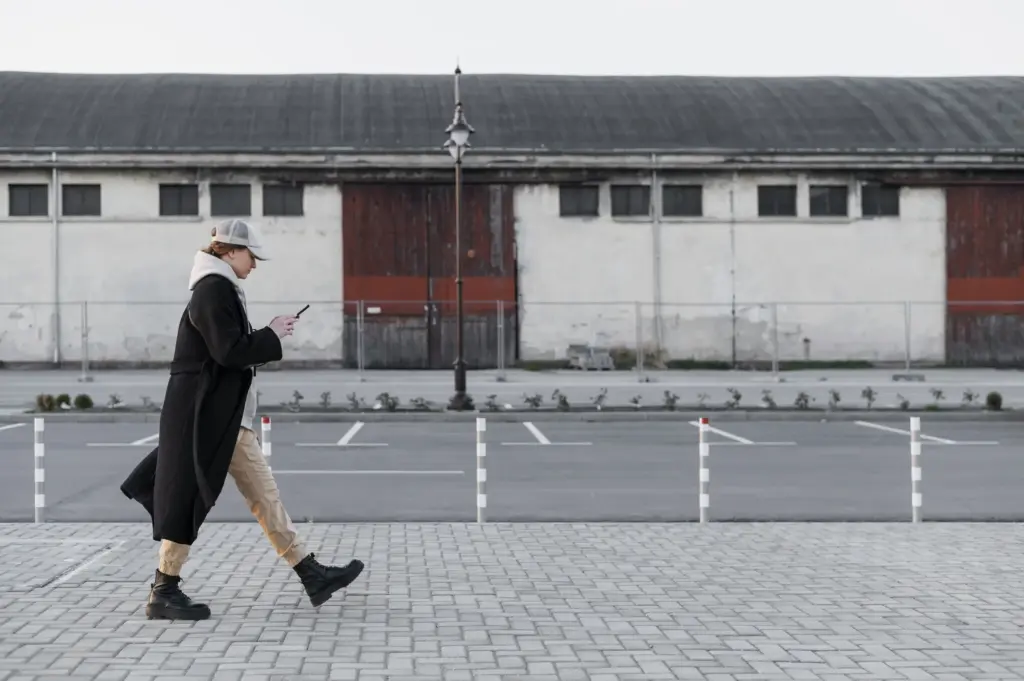

Access, Deliveries, and the Quiet Choreography
Measuring What Matters, Not Just What’s Loud
Programming Joy That Also Rings the Tills
Market Moments That Convert
Blending local producers with complementary permanent shops multiplies impact. A cheesemaker beside a wine merchant, or a florist near a gift boutique, encourages joint baskets. Simple stamp cards, scheduled demos, and friendly emcees nudge browsers toward decisions while honouring budgets and celebrating neighbourhood flair, craft, and conversation.
Culture That Sells, Not Just Entertains
Music, dance, and street art energize space, but placement matters. Keep performers near cafés and flexible seating, avoid blocking doorways, and set clear sound limits. Short, repeated sets let people shop between acts, preserving spontaneity while protecting conversations, bookings, and the gentle tempo independents depend upon.
Who Pays and Who Gains
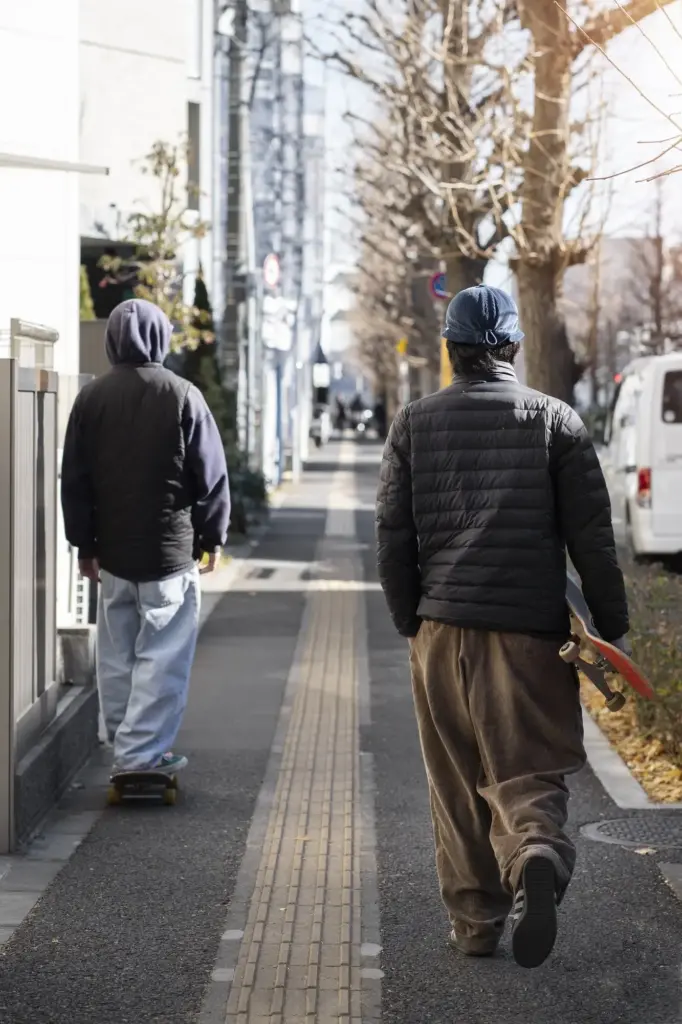
Some traders surge, others stall. A small solidarity fund, shared advertising, and rotating market placements can balance outcomes. Publish criteria, welcome feedback, and recognize hidden contributions, like loo access or power sockets, so goodwill compounds and the whole street moves forward rather than fracturing under pressure.
Permits, Insurance, and Safety
Applications, indemnities, steward briefings, and risk assessments feel bureaucratic, yet they protect traders and visitors. Clear timelines, templates, and a friendly point‑person reduce friction. When volunteers know evacuation routes and first‑aid roles, confidence rises, queues behave, and the atmosphere stays vibrant without tipping into unmanaged risk.
Beyond One Weekend
Occasional closures spark curiosity; predictable series build habits. Monthly patterns allow businesses to test bundles, adapt rotas, and grow mailing lists. With each iteration, messaging sharpens, logistics simplify, and visitors arrive primed to buy, greet neighbours, and carry the street’s reputation into Monday conversations at work.