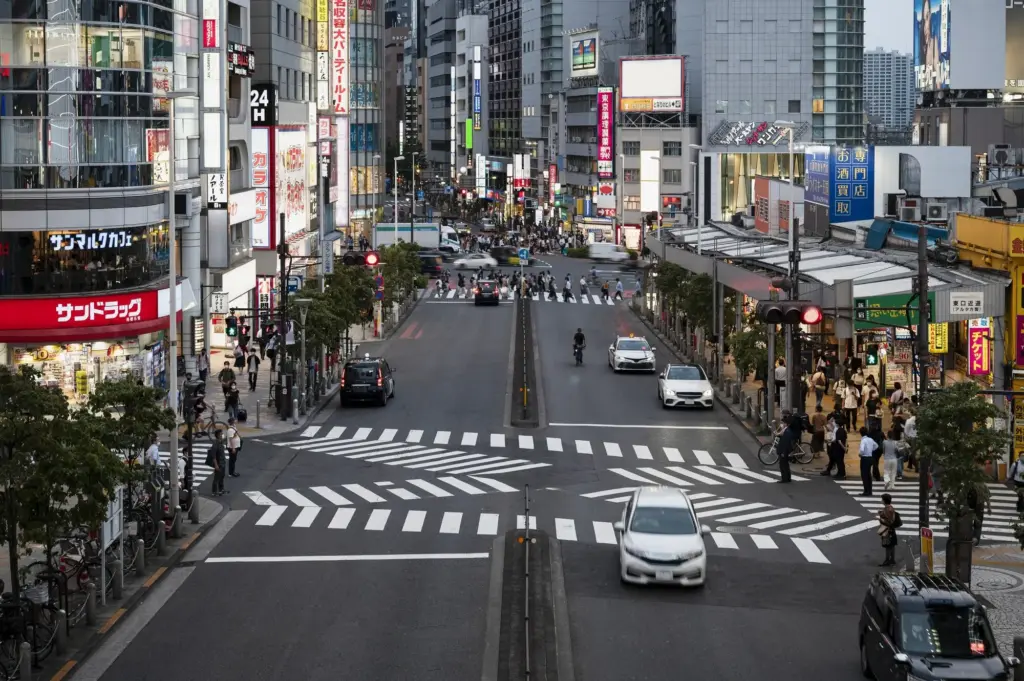
When Engines Pause, Shopfronts Speak

Step into a weekend where traffic fades and people reclaim the pavement. We explore the economic effects on local high streets during UK car‑free weekends, tracing how footfall, dwell time, and spending patterns shift across cafés, independents, services, and street traders, while shopkeepers adapt with inventive promotions, flexible logistics, and community programming that turns quieter engines into louder tills. Share your weekend results and questions below to shape our next deep‑dive and trader toolkit.

Footfall, Dwell Time, and the Shape of Spend

Pedestrian priority reshapes how people move, pause, and purchase. Car‑free weekends often lift browsing time and social interactions, yet conversions can vary by sector and time of day. Understanding hour‑by‑hour rhythms, queue comfort, and impulse triggers helps independents translate heavier footfall into meaningful basket sizes without eroding margins through unsustainable discounts.

Stories from British Streets Reimagined

Numbers matter, yet traders trust stories that smell like bread and fresh coffee. Across English market towns and Scottish, Welsh, and Northern Irish centres, car‑free weekends reveal delicate differences: heritage corridors thrive on ambience, while outer‑London parades hinge on logistics, signage, and neighbourhood word‑of‑mouth that turns curiosity into spend.

Walthamstow’s Al Fresco Lesson

On Orford Road, early anxiety about lost passing trade gave way to longer afternoons of outdoor tables, prams, and dogs. A bakery sold out by three, while a hardware shop adjusted with doorstep advice, preorders, and friendly carry‑to‑bus help that preserved loyalty and receipts.

Bristol’s Parklets and Buskers

Gloucester Road swapped honking for guitars, planters, and chalk art, drawing families who rarely stopped when driving. Independent fashion saw more trying‑on moments, while record stores hosted short sets that nudged coffee sales next door and kept browsers in the area long enough to buy.

York, Bath, and the Heritage Balancing Act
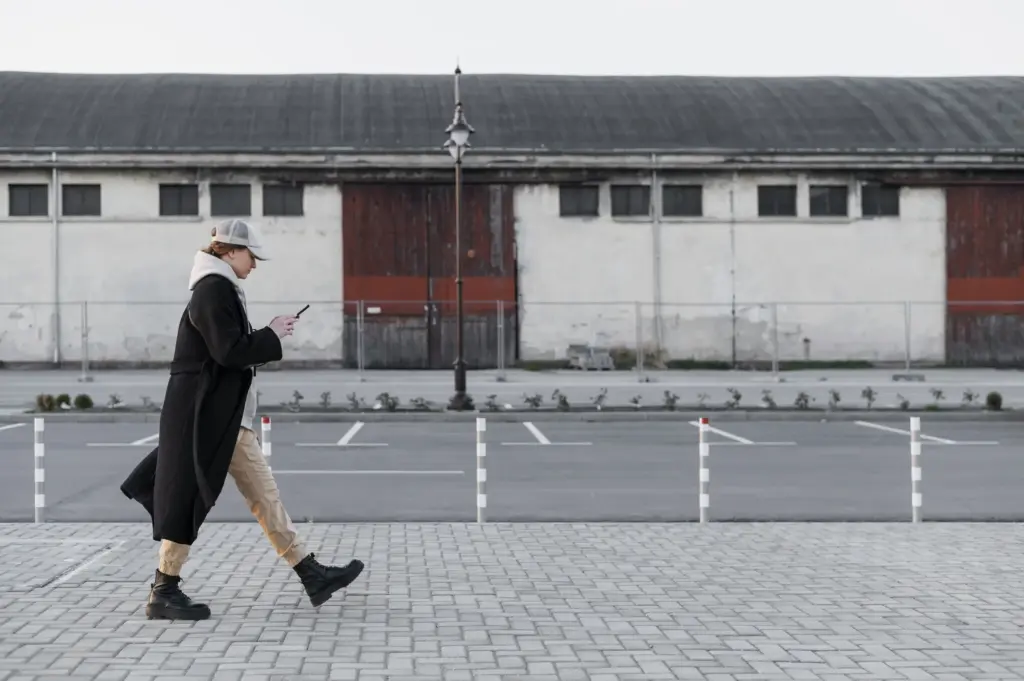
Centres rich with stone and story welcomed strolling visitors and generous photo pauses, boosting ice‑cream, gifts, and guided tours. But deliveries through medieval lanes needed careful early windows, clear stewarding, and resident passes, preserving calm without strangling supply chains that keep shelves full and tour groups happy.

Access, Deliveries, and the Quiet Choreography

A successful closure feels effortless because its backstage is meticulous. Clear diversion maps, respectful loading windows, stewards with radios, and consistent signage help customers arrive with confidence. Meanwhile, traders protect freshness, meet repair deadlines, and coordinate third‑party couriers without letting cardboard mountains or temporary rules overwhelm tiny storerooms.

Measuring What Matters, Not Just What’s Loud

Good decisions come from mixed evidence: tills, sensors, and conversations. Pair card transaction analysis with footfall counts, intercept surveys, and simple trader diaries. Compare against nearby controls and prior weeks, then adjust programming, logistics, and messaging so each closure learns, iterates, and improves outcomes for traders and visitors.

Programming Joy That Also Rings the Tills

Car‑free space is a stage. Curate experiences that invite participation and gentle purchase prompts without feeling pushy: maker markets, children’s play corners, street theatre, tasting trails, and timed mini‑workshops that connect curiosity with products, keep visitors circulating, and spread opportunity fairly along the street’s length.

Market Moments That Convert

Blending local producers with complementary permanent shops multiplies impact. A cheesemaker beside a wine merchant, or a florist near a gift boutique, encourages joint baskets. Simple stamp cards, scheduled demos, and friendly emcees nudge browsers toward decisions while honouring budgets and celebrating neighbourhood flair, craft, and conversation.

Culture That Sells, Not Just Entertains

Music, dance, and street art energize space, but placement matters. Keep performers near cafés and flexible seating, avoid blocking doorways, and set clear sound limits. Short, repeated sets let people shop between acts, preserving spontaneity while protecting conversations, bookings, and the gentle tempo independents depend upon.

Who Pays and Who Gains

Some traders surge, others stall. A small solidarity fund, shared advertising, and rotating market placements can balance outcomes. Publish criteria, welcome feedback, and recognize hidden contributions, like loo access or power sockets, so goodwill compounds and the whole street moves forward rather than fracturing under pressure.

Permits, Insurance, and Safety

Applications, indemnities, steward briefings, and risk assessments feel bureaucratic, yet they protect traders and visitors. Clear timelines, templates, and a friendly point‑person reduce friction. When volunteers know evacuation routes and first‑aid roles, confidence rises, queues behave, and the atmosphere stays vibrant without tipping into unmanaged risk.

Beyond One Weekend

Occasional closures spark curiosity; predictable series build habits. Monthly patterns allow businesses to test bundles, adapt rotas, and grow mailing lists. With each iteration, messaging sharpens, logistics simplify, and visitors arrive primed to buy, greet neighbours, and carry the street’s reputation into Monday conversations at work.

Kirasanodaxidavopira
Privacy Overview

This website uses cookies so that we can provide you with the best user experience possible. Cookie information is stored in your browser and performs functions such as recognising you when you return to our website and helping our team to understand which sections of the website you find most interesting and useful.