Breathing Space on Busy Streets
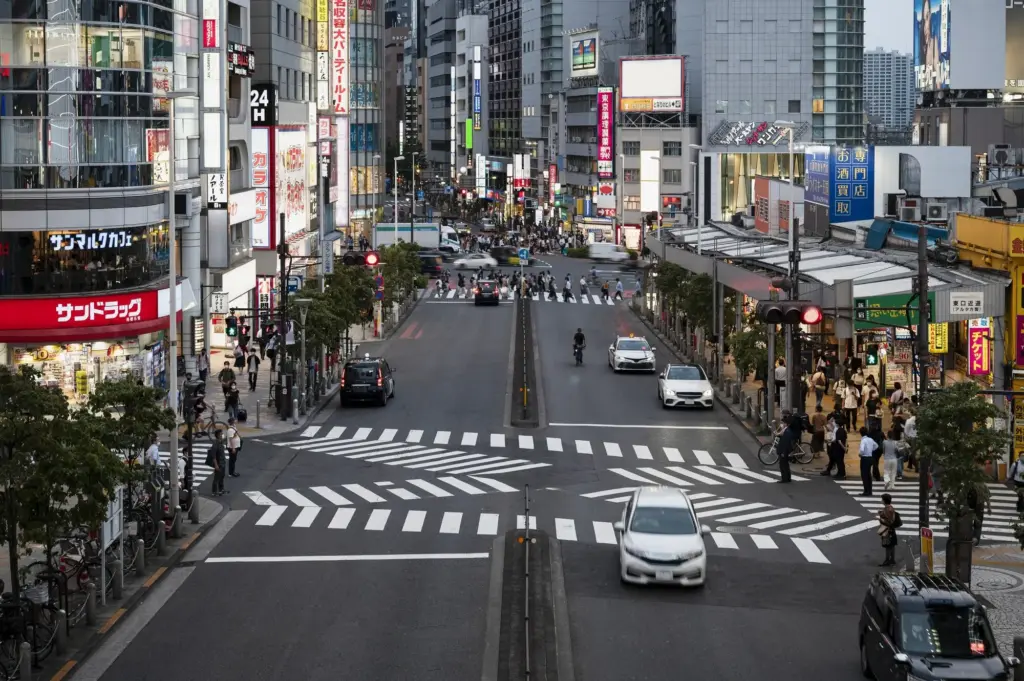
Today we explore air quality and public health outcomes from car‑free days in British cities, drawing on monitors at kerbsides, stories from families, and insights from clinicians. When streets rest from engines, pollution, noise, and stress shift within hours, revealing how cleaner air reshapes breathing, movement, and mood. From London’s pop-up play streets to Bristol’s quiet bridges, these experiments show practical ways communities reclaim space, test healthy routines, and gather evidence that can shape lasting policy beyond a single Sunday.

What Happens to the Air When Engines Pause
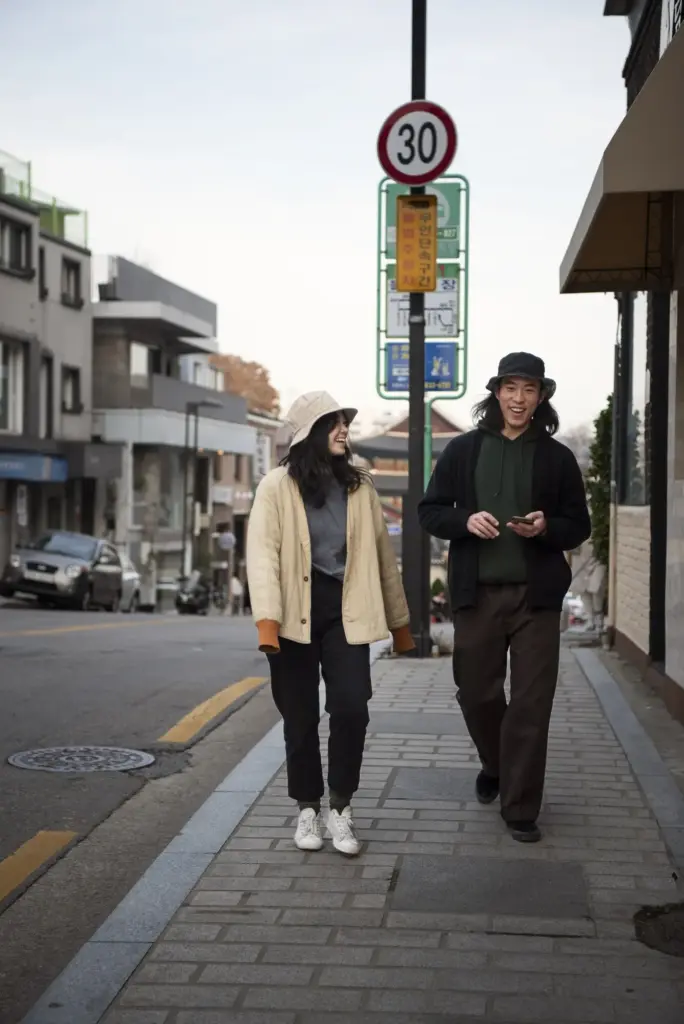
Close a corridor to traffic and the air behaves differently within minutes. Street-canyon turbulence eases, tyre and brake dust settle more slowly, and tailpipe nitrogen oxides plunge near pavements. Portable and fixed monitors, plus curious residents with sensors, capture rapid curves that help councils distinguish weather quirks from genuine intervention effects, and translate invisible chemistry into relatable change people can smell, taste less, and finally see in deeper blue skies above familiar crossroads.



Asthma and sensitive groups
Those with asthma, COPD, or long‑COVID often report the clearest difference. Without tailpipe peaks, inhalers stay zipped longer, and short walks become pleasant rather than tactical. Temporary relief is not a cure, but it teaches families practical tricks: avoid rush‑hour pinch points, choose parallel green streets, and coordinate school arrivals to dilute crowding. Local nurses love these teachable moments because people feel results immediately, not months later after abstract policy changes.
Walking, cycling, and micro‑benefits
When streets open to people, tiny choices accumulate into measurable wellbeing gains. A neighbour swaps one bus stop for two more minutes of walking. A grandparent borrows a sturdy city bike and discovers gentle gears up a familiar hill. These micro‑doses of movement lift mood, regulate blood pressure, and replace sedentary errands. Even skeptics acknowledge the laughter floating from chalked hopscotch grids, an unmistakable sign that energy, not fumes, now fills the space.
Streets Reimagined: Stories from UK Cities
Across Britain, councils and neighbours have experimented with bold pauses. London staged playful car‑free Sundays that turned dual carriageways into picnic stripes and pop‑up cycle lessons. Bristol quieted historic bridges, and school streets spread from Hackney to Glasgow. Each place discovered different bottlenecks, champions, and worries, yet a shared result emerged: once people taste calmer space, they rarely want the entire old cacophony back all week.
Measuring Change with Data That Persuades
Credible measurement carries these experiments from novelty to policy. Councils blend diffusion tubes, reference‑grade stations, and mobile backpacks; hospitals review admissions and calls; schools track attendance and playground activity; residents log symptoms. Weather normalisation, control streets, and pre‑registered analyses prevent wishful thinking. When the evidence lands in one clear narrative, officials can defend decisions, businesses can plan deliveries, and communities see their lived experience respected alongside graphs and units.
Low‑cost sensors and their honest quirks
Affordable sensors democratise evidence but need careful placement, calibration, and humility about drift. Paired with a reference station and short co‑location periods, they map gradients children actually breathe at buggy height. Shared dashboards, open data, and simple legends strengthen trust. Volunteers gain skills, spot faulty kit quickly, and help separate windy‑day noise from genuine shifts when engines disappear and micro‑environments reveal their surprisingly local fingerprints.
Health metrics beyond hospital walls
Ambulance calls and admissions matter, yet softer indicators enrich the picture. Pharmacy inhaler sales, school nurse logs, sleep quality diaries, and step counts from loaned watches capture near‑real‑time wellbeing. Protecting privacy while aggregating trends is essential. Short, citizen‑friendly consent forms, plain‑English dashboards, and independent ethics oversight remove anxiety, allowing communities to celebrate benefits without fearing surveillance, while decision‑makers see consequences felt in living rooms, not just spreadsheets.
Policy, Equity, and the Road Ahead
Pausing traffic is not a magic wand; it is a tool that must respect disability access, deliveries, emergency services, and shifts worked at odd hours. Clear exemptions, blue‑badge planning, loading windows, and steward training reduce friction. Engage early with traders, schools, and bus operators. Frame the day as a testbed for fairness: who benefits, who risks being excluded, and how streets can welcome everyone while still smelling like rain and bakery, not diesel.
Join the Conversation and Shape the Next Closure
Share your street’s breathing moment
Write a short note about the first quiet minute you noticed, the scent that replaced fumes, or the conversation that finally flowed across the carriageway. Add a photo if you can. We will gather these glimpses into a living album that guides planners, persuades doubters, and reminds everyone that policy is really made of people, places, and gentle pauses that help lungs, hearts, and friendships recover.
Try an active trip and track your feeling
Pick one everyday journey and swap engines for feet, wheels, or a bus paired with an extra stop. Note your mood before and after, how your breath sounds on stairs, and whether you sleep differently. Share results anonymously or with your name. These small experiments teach councils what routes feel safe, where crossings confuse, and which shortcuts whisper possibilities for permanent improvements linking homes to schools, parks, and shops.
Sign up, test a sensor, and return results
Join our mailing list to borrow a simple monitor, receive training, and learn how to place it fairly. We cover batteries, brackets, and data uploads; you provide curiosity and a corner of railings. After a week, return the kit and tell us what surprised you. Your dots on the map, combined with hospital and council data, help turn quiet Sundays into everyday breaths we can trust.